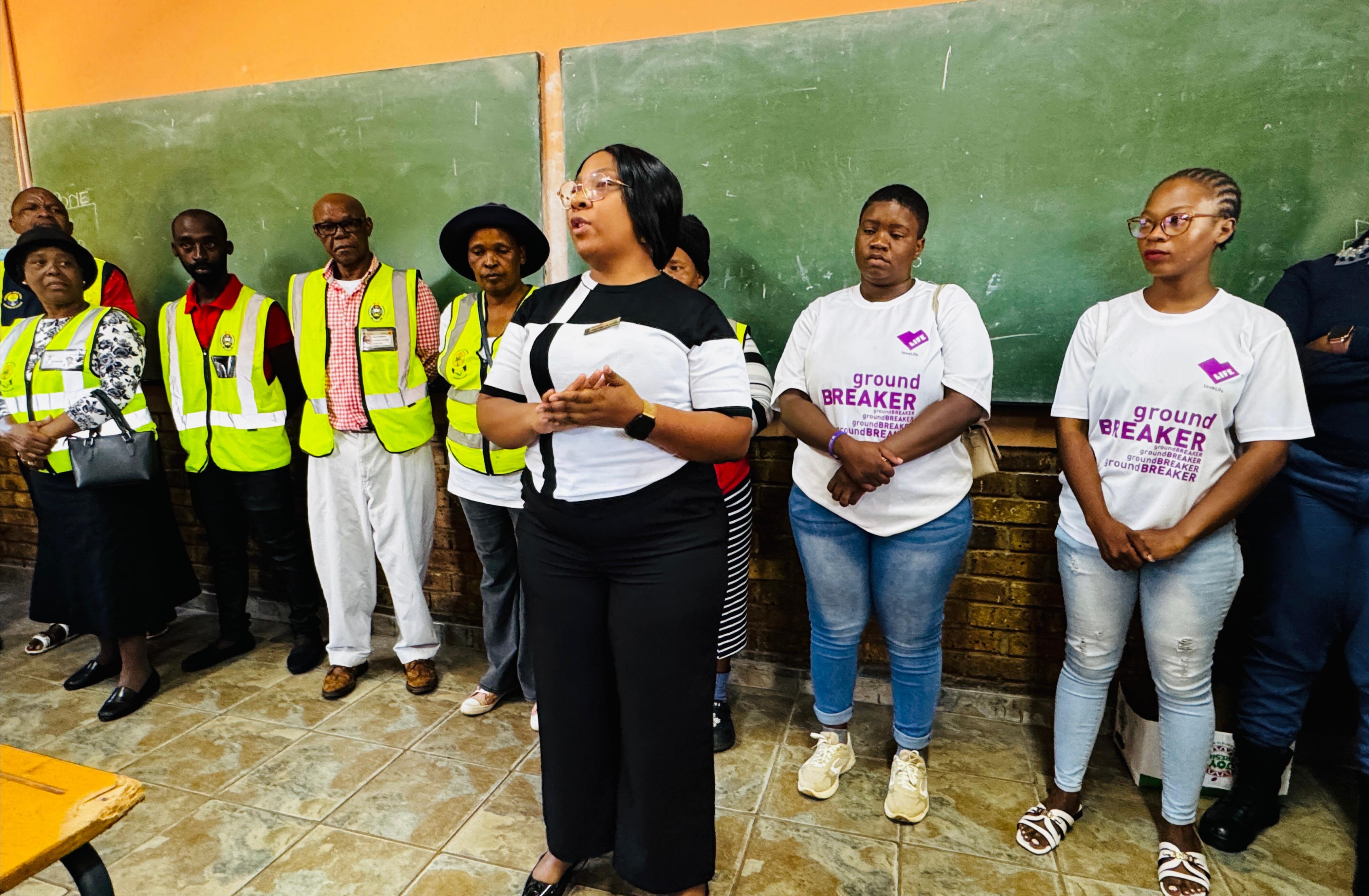
Middelburg — Stakeholders from Steve Tshwete Local Municipality’s Drug Committee, in partnership with Mhluzi SAPS, the Community Policing Forum (CPF), and LoveLife, hosted a back-to-school safety awareness campaign at Mvuzo Primary School on 03 February 2026 to address bullying and substance abuse among young learners.
Steve Tshwete Local Municipality Youth Manager Khanyisile Mlangeni said the campaign forms part of the municipality’s ongoing school safety programmes implemented in collaboration with SAPS and other stakeholders. They used the platform to highlight the causes of bullying and violence among young learners and emphasised the importance of early intervention both at home and in schools.
Elizabeth Morema of Mhluzi CPF Sector 2 said many behavioural problems among children often begin at home. She explained that exposure to conflict between parents, lack of affection and limited guidance can influence children to become aggressive or seek attention through bullying.
“Some children bully others to boost their egos or to feel powerful. In many cases, children who bully were once victims themselves and are acting out in revenge,” she said.
Morema urged parents to be more attentive to changes in their children’s behaviour and to play an active role in guiding them. She added that the CPF works with schools and SAPS to conduct awareness campaigns, safety talks and school searches aimed at preventing drugs and violence on school premises. She appealed to parents to also check their children’s school bags before they leave home.
Constable Joy Mthimunye from Mhluzi SAPS said school violence, particularly in high schools, is often linked to territorial disputes related to drug selling and conflicts that begin outside of school and spill into the school environment.
“At primary school level, bullying often stems from children teasing one another about their backgrounds, appearance or personal circumstances. These behaviours, if not addressed early, can continue into high school and escalate,” she said.
Mthimunye noted that SAPS conducts regular patrols near schools during peak hours and carries out school searches to prevent dangerous items and substances from entering school grounds. She encouraged learners who are victims or witnesses of bullying to report incidents to teachers.
LoveLife Groundbreaker Qhakazile Shanice Skosana spoke about the emotional impact of bullying on learners. She said children who are being bullied often become withdrawn, anxious and reluctant to ask for help.
“Bullying affects a child’s self-esteem and mental health. Many victims struggle with anxiety and lose confidence, which also affects their academic performance,” Skosana said.
She said LoveLife runs weekly health education sessions at schools and offers programmes such as “Health for Life” and “Youth Zones”, where learners can receive support and discuss personal and social challenges in a safe environment.
“Bullying can lead to long-term psychological harm, poor academic performance, and in severe cases, self-harm. Early intervention helps children develop empathy, respect, and healthy conflict-resolution skills,” Mlangeni said.
She added that addressing bullying and substance abuse early also reduces the risk of future criminal behaviour and helps create a safe learning environment.
Stakeholders agreed that continuous awareness, community involvement, and cooperation between parents, schools, and law enforcement are needed to keep schools safe.